 Forward Future
DoorDash Buys Instacart for $17 Billion: Delivery's Biggest Deal Yet
2026-10-29
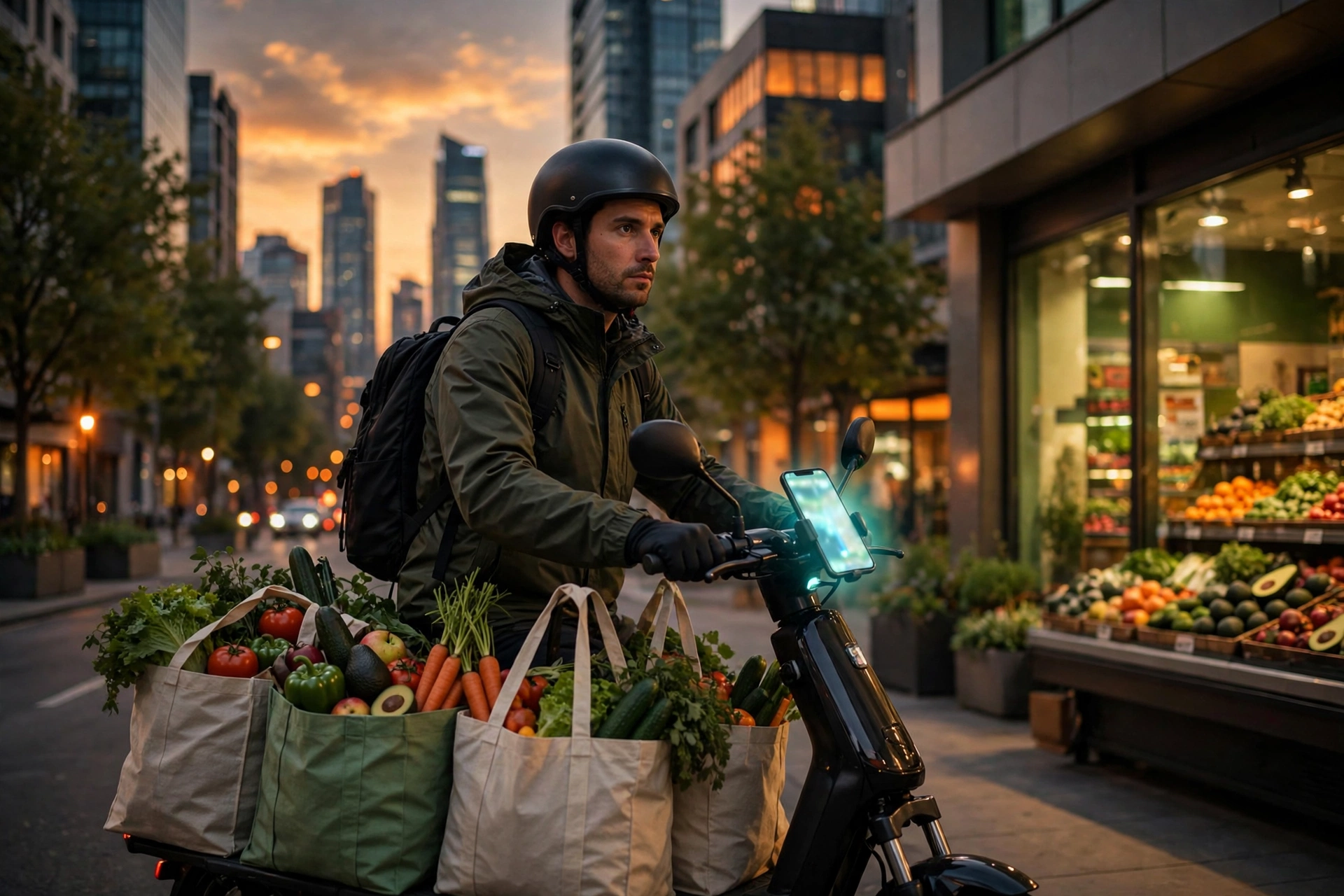
DoorDash is buying Instacart for about $17 billion. The two companies announced a definitive agreement on Thursday, October 29, 2026, under which DoorDash will pay $65.00 per share for Maplebear Inc., the company that operates Instacart — combining the largest U.S. restaurant-delivery platform with the grocery-delivery service that partners with nearly 100,000 stores. DoorDash shares closed up 5.6% at $179.00, while Instacart shares slipped 2.2% to $57.11, well below the $65 offer.
What happened
DoorDash and Instacart said Instacart stockholders can elect, for each share, $65.00 in cash, 0.3372 DoorDash shares, or a mix of $48.75 in cash plus 0.0843 DoorDash shares. At least 75% of the total consideration will be cash, with DoorDash stock capped at 25% and subject to proration. The $65 price is a 26% premium to Instacart's closing price on October 22 — the last trading day before media reports of a possible sale — and an 11% premium to Wednesday's close of $58.42. Instacart's board approved the deal unanimously, and holders of about 19% of its shares have already agreed to vote in favor.
DoorDash plans to fund the cash portion with cash on hand and new debt, backed by a 364-day senior unsecured bridge loan commitment from JPMorgan Chase Bank. The agreement carries no financing condition, and DoorDash said it is targeting a capital structure that maintains its investment-grade ratings. The companies expect Instacart to keep its brand, app and enterprise technology products after closing, and both will keep operating as separate, independent companies until then.
Why it is blowing up
This is the delivery industry's defining consolidation. Instacart went public in 2023 and had a market value of roughly $13 billion before reports of the talks surfaced, while DoorDash is worth about $78 billion after Thursday's gain. The prize is grocery scale: the companies say Instacart users would gain access to more than 50,000 additional stores, and members would no longer need two subscriptions — merging DashPass and Instacart+ into one membership could save customers an estimated $100 million a year in fees alone. Analysts at Rosenblatt called the acquisition a positive for DoorDash, saying it bolsters its grocery offering through added density, selection and advertising reach.
The market's split reaction tells the second story. DoorDash rallied because investors liked the strategic fit — and because it reported strong third-quarter results the same morning, with revenue up 34% to $4.6 billion and adjusted EBITDA up 41% to $1.06 billion. Instacart, meanwhile, closed at $57.11, about 12% below the $65 offer, even though its own quarter was solid, with revenue up 17% to $1.095 billion and orders up 10% to 91.4 million. That gap is the market pricing in time and regulatory risk.
The catch: a long road to closing
The deal is not expected to close until the end of 2027 or the first half of 2028 — more than a year away. It still needs approval from Instacart stockholders, expiration or termination of the U.S. antitrust waiting period under the Hart-Scott-Rodino Act, and regulatory approvals in other jurisdictions including Canada and Israel. Opposition arrived quickly: the American Economic Liberties Project, an anti-monopoly advocacy group, is pushing regulators to block the deal, arguing the combined company would control nearly 60% of the third-party grocery delivery market. Competition from Uber, Amazon and Walmart — the larger rivals Instacart has struggled against since its pandemic-era boom — will be central to that review.
What's next
DoorDash will file a registration statement on Form S-4 with the SEC containing Instacart's proxy statement, setting up the shareholder vote. Until closing, nothing changes for shoppers: both apps, memberships and prices stay as they are. The questions that will move both stocks are whether regulators demand concessions, whether Instacart's share price narrows the gap to $65 as milestones pass, and whether DoorDash can hold its investment-grade ratings while funding a mostly-cash deal. For now, Thursday's verdict was clear: investors rewarded the buyer and discounted the target — a reminder that in mega-deals, the finish line matters as much as the price.
Sources
Wall Street Journal · CNN · Securities.io (deal terms from the companies' announcement) · Investopedia
FAQ
How much is DoorDash paying for Instacart?
DoorDash is paying $65.00 per share, an equity value of about $17 billion, with at least 75% of the consideration in cash and DoorDash stock capped at 25%.
When will the DoorDash-Instacart deal close?
The companies expect it to close at the end of 2027 or in the first half of 2028, subject to Instacart stockholder approval and antitrust and other regulatory clearances, including in Canada and Israel.
Why did Instacart stock close below the $65 offer?
Instacart closed Thursday at $57.11, down 2.2%. The discount to the offer reflects the long timeline to closing and the risk that regulators challenge or condition the deal.
What changes for DashPass and Instacart+ members?
Nothing yet — both companies operate separately until closing. Afterward, the companies say members would pay one membership instead of two, saving an estimated $100 million a year in fees.