 Forward Future
Egypt Hikes Rates to 21% in a Surprise Move as the Pound Hits a Record Low
2026-11-01
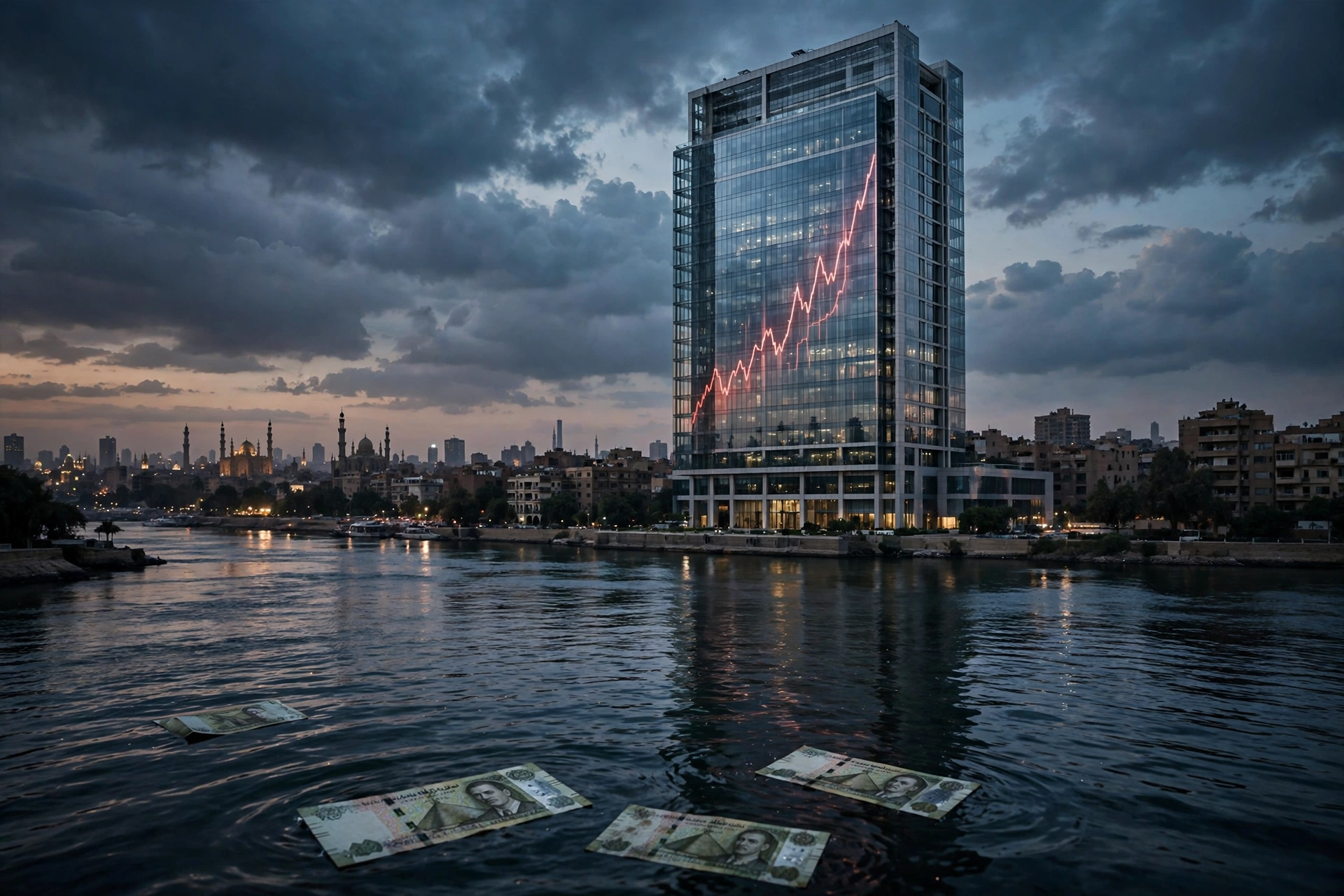
Direct answer: Egypt's central bank raised its key interest rates by 100 basis points on Thursday, October 29, 2026 — lifting the overnight lending rate to 21% and the deposit rate to 20% — in its first hike since March 2024. The surprise move, which defied every analyst polled by Reuters, defends a pound that hit a record low of 56 per US dollar days earlier, and the higher rates took effect today, Sunday, November 1.
What happened
The Central Bank of Egypt's Monetary Policy Committee raised all four of its policy rates by one full percentage point. The overnight deposit rate rose to 20.0% from 19.0%, the overnight lending rate to 21.0% from 20.0%, and both the main operation rate and the discount rate to 20.5%. The increase reverses the 100-basis-point cut the committee made in February and ends a run of five consecutive meetings on hold. It is the bank's first increase since its emergency 600-basis-point hike of March 6, 2024.
The timing is what made the decision a market event. On Monday, October 26, the Egyptian pound fell through 56 per dollar for the first time on record, according to LSEG data, and foreign and Arab investors were net sellers of roughly $664 million of Egyptian Treasury bills and bonds that same day. Three days later, the central bank tightened into that pressure rather than waiting it out.
Why it is blowing up
Almost nobody saw it coming. A Reuters poll of 13 analysts published earlier in the week predicted the bank would hold rates for a sixth straight meeting — all 13 of them. Inflation had just eased for a second consecutive month, with annual urban inflation slowing to 13.9% in September from 14.5% in August and core inflation falling to 14.1% from 14.9%, which made a hold look like the safe consensus call.
Instead, the committee said the hike aims to "anchor inflation expectations and preserve the downward trajectory of inflation" amid an unfavourable external environment and rising uncertainty. In plain terms: with oil above $110 a barrel, regional tensions elevated, and the currency at record lows, the bank chose to protect the disinflation path and the pound rather than reward the recent improvement in the inflation data. Inflation at 13.9% also remains far above the bank's target of 7%, plus or minus two points.
The first market verdict arrived today. In Sunday's session — the first full trading day with the new rates in force — Egypt's blue-chip EGX30 index fell 1.9% to 48,650, with nearly all stocks closing lower. Commercial International Bank, the market's heavyweight lender, dropped 2.2%, and developer Talaat Moustafa Group fell 2%, according to Reuters. Higher deposit rates compete directly with equities for local money, and borrowing costs for listed companies just went up.
Key facts
- New rates: deposit 20.0%, lending 21.0%, main operation 20.5%, discount 20.5% — effective November 1, 2026.
- First hike since: March 2024, when the bank raised rates by 600 basis points.
- Expectations: all 13 analysts in a Reuters poll expected no change.
- Currency: the pound hit a record low of 56 per US dollar on October 26 (LSEG).
- Inflation: urban inflation 13.9% in September, down from 14.5% in August; target is 7% ±2%.
- Market reaction: EGX30 fell 1.9% on Sunday, November 1.
Sources: Reuters via TradingView, BusinessDay, The Edge (CBE statement), Zawia3, Reuters (Sunday Gulf markets).
What's next
Analysts now expect policy to stay tight well beyond this meeting. Jamil Naayem of S&P Global Market Intelligence said monetary policy was likely to remain restrictive through the rest of 2026 and into early 2027, citing pressure on the pound, higher oil prices and the risk of renewed regional escalation. The central bank itself expects economic growth to stay broadly stable, near the 4.7% pace recorded in the second quarter. Its final meeting of the year is on December 17 — and after this surprise, few forecasters will call that one a certain hold. This article reports what happened and how markets reacted; it is not financial advice.
FAQ
What did Egypt's central bank do?
It raised all key policy rates by 100 basis points on October 29, 2026: the deposit rate to 20%, the lending rate to 21%, and the main operation and discount rates to 20.5%, effective November 1.
Why is the hike a surprise?
All 13 analysts in a Reuters poll expected rates to stay unchanged for a sixth meeting, especially after inflation eased to 13.9% in September. The hike is also Egypt's first since March 2024.
Why did the bank raise rates while inflation is falling?
The bank said it wants to anchor inflation expectations and protect the downward path of inflation. The move followed the pound's fall to a record low of 56 per dollar and heavy foreign selling of Egyptian government debt.
How did Egyptian stocks react?
The EGX30 blue-chip index fell 1.9% to 48,650 in Sunday's session, the first under the new rates, with Commercial International Bank down 2.2% and Talaat Moustafa Group down 2%.